
 See My Latest Article on HelloNation
Funeral traditions are shaped by religion, family history, geography, social values, and practical concerns. In Hamilton, NJ, residents may encounter customs influenced by many parts of the world, especially when families bring together different cultural or faith backgrounds.
Although funeral practices vary widely, most traditions address the same human needs: honoring the deceased, supporting mourners, marking a transition, and preserving family or community memory.
Why do funeral traditions differ around the world?
Funeral customs develop in response to a community’s beliefs about death, the body, the afterlife, nature, and family responsibility. Local conditions also matter. In some regions, climate affects how quickly burial or cremation takes place. In others, available land, religious law, or ancestral customs guide the choice.
Common elements include:
- Washing or preparing the body
- Keeping vigil before burial or cremation
- Prayers, chanting, or silence
- Shared meals and charitable acts
- Burial, cremation, entombment, or other forms of disposition
- Memorial observances held days, weeks, or years later
There is no single “traditional” funeral. Even within one faith or culture, practices can differ by family, generation, region, and personal preference.
How did ancient societies honor the dead?
Ancient funeral traditions often focused on protecting the deceased, preserving social identity, and preparing for an afterlife. Archaeological evidence shows that people placed objects, food, clothing, and symbolic items with the dead in many early societies.
In ancient Egypt, elaborate burial practices reflected beliefs about the continued existence of the person after death. Preservation of the body, grave goods, prayers, and monuments were connected to the deceased’s spiritual journey.
Ancient Jewish burial traditions emphasized prompt burial, simplicity, and respect for the body. The period after burial included structured mourning practices that helped relatives move through grief while maintaining community support.
In ancient Greece and Rome, funeral processions, spoken remembrance, offerings, and family memorials were common. Public ceremonies could also communicate the deceased person’s place within the community.
These early customs established themes that remain familiar today: caring for the body, gathering loved ones, telling the person’s story, and giving mourners a recognized period for grief.
What role does religion play in funeral customs?
Religious beliefs often influence the timing, preparation, ceremony, and final disposition of the body. They may also determine what happens before and after the funeral.
In many Christian traditions, funerals include readings, prayers, hymns, and a service centered on resurrection, eternal life, or remembrance. Burial and cremation may both be accepted, depending on the denomination and the family’s wishes.
Jewish funerals commonly include a simple service, prayers, and burial, followed by defined mourning periods. Family and community participation remain central, including visits and support after the burial.
Islamic funeral customs generally emphasize prompt burial, ritual washing, shrouding, prayers, and positioning the body according to religious practice. Modesty and simplicity are important features.
Hindu funeral traditions have often included cremation, prayers, chanting, and ceremonies intended to support the soul’s transition. Customs may vary by family, region, and religious interpretation. In many families, remembrance continues through later rites and anniversaries.
Buddhist funeral practices differ among traditions but may include chanting, meditation, offerings, and teachings about impermanence. The ceremony may focus less on public display and more on spiritual reflection.
Families with blended religious backgrounds may adapt customs respectfully. A funeral can include more than one tradition when relatives agree on the elements that best represent the deceased.
Why do some cultures hold a vigil or wake?
A vigil or wake allows family members and friends to remain near the deceased before the funeral or final disposition. Historically, this practice offered time for relatives to arrive, gave the community an opportunity to pay respects, and helped confirm that death had occurred before modern medical procedures were available.
Today, a wake may be religious, informal, or highly personal. It may include prayers, quiet visitation, photographs, music, storytelling, or a shared meal.
In some families, the body is present during the gathering. In others, the wake is a memorial service held without the body present. Both formats can provide a meaningful setting for support and remembrance.
For local households, practical considerations may include the size of the home, seasonal weather, accessibility, and the number of expected visitors. A small private gathering and a larger community ceremony can both serve the same purpose.
How have burial and cremation traditions changed?
Burial has been practiced across human history, but the reasons for choosing it differ. Some families value a permanent place to visit, while others follow religious expectations, family precedent, or personal preference.
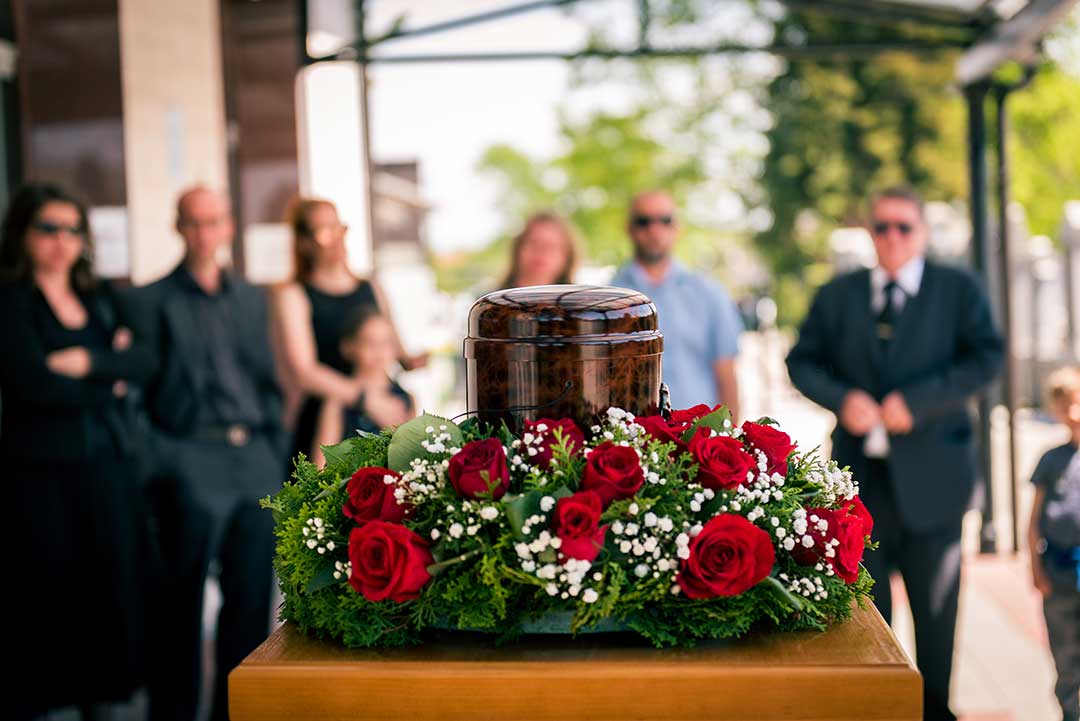
Cremation also has ancient roots and is an important practice in several religious and cultural traditions. In modern households, it may be chosen because of family wishes, environmental concerns, mobility, cost considerations, or limited cemetery space.
After cremation, families may place the cremated remains in a cemetery, columbarium, mausoleum, urn, or another lawful location. Some hold a ceremony immediately, while others arrange a memorial gathering later.
The choice between burial and cremation should not be assumed to indicate a family’s level of grief or respect. Both can be accompanied by formal ritual, private remembrance, religious observance, or a simple gathering.
What are some distinctive funeral traditions around the world?
Funeral customs can be very different while serving similar emotional purposes.
In parts of East Asia, families may honor ancestors through household memorials, offerings, seasonal observances, and visits to graves. Remembrance may continue for generations rather than ending with the funeral.
In Mexico and other parts of Latin America, some communities observe days dedicated to remembering deceased relatives through food, flowers, photographs, candles, and family gatherings. These traditions often connect grief with ongoing family identity.
In parts of Africa, funerals may involve extended gatherings, music, dancing, public speeches, and significant participation by relatives and neighbors. The funeral can serve as both a farewell and a reaffirmation of community ties.
In some Buddhist communities, memorial observances take place at specific intervals after death. In other cultures, anniversaries, religious holidays, or family milestones provide later opportunities to remember the deceased.
These practices show that mourning is not always private or solemn in the same way. Tears, silence, music, celebration, storytelling, and communal meals may all be meaningful expressions of grief.
What should families consider when combining traditions?
Families can begin by identifying which customs were clearly requested by the deceased and which practices are important to close relatives. It helps to separate essential religious requirements from optional cultural preferences.
Useful questions include:
- Is there a required time frame for burial or cremation?
- Who should lead prayers or readings?
- Should the ceremony be held in a place of worship, a cemetery, a private home, or another setting?
- Are there clothing, food, music, or photography customs to observe?
- Should the gathering be formal, conversational, private, or open to the community?
- How will older relatives, children, and guests with different backgrounds participate?
Written instructions can reduce uncertainty, particularly when relatives live in different states or countries. Families should also account for seasonal conditions, travel time, accessibility, and local legal requirements affecting the care and disposition of the body.
Understanding the history of funeral traditions helps explain why ceremonies take many forms. For residents and families in Hamilton, customs from different backgrounds may meet within the same household, creating a ceremony that is both culturally respectful and personally meaningful.