
 See My Latest Article on HelloNation
What Happens During Cremation?
Cremation is the process of reducing the body to bone fragments through the application of high heat in a specially designed chamber, known as a cremation retort. In Hamilton, NJ, cremation is conducted according to New Jersey state guidelines, ensuring safety and respect throughout.
Generally, the process takes about two to three hours. After the procedure, only bone fragments remain. These fragments are then processed into a consistent powder known as cremated remains, which can be returned to the family. Cremation does not involve open flames directly touching the body; rather, it is the sustained high temperatures that facilitate the reduction.
What Should Local Families Know About Cremation Laws?
New Jersey law requires written authorization before a cremation can be performed. This means that, in Hamilton, the next of kin or an authorized representative must provide explicit consent. There is also a mandatory waiting period—typically 24 hours—after passing before cremation can proceed. This allows time for all necessary paperwork, such as permits and a medical examiner’s review, which helps confirm the identity of the deceased and ensure there are no concerns regarding the cause of death.
Families should anticipate providing identification and completing forms at a funeral home or relevant municipal agencies. It’s common to wonder about timelines, and in the city, families may experience slight delays due to local regulatory checks, but most finds the process clearly explained by local officials.
What Are Cremated Remains, and How Are They Returned?
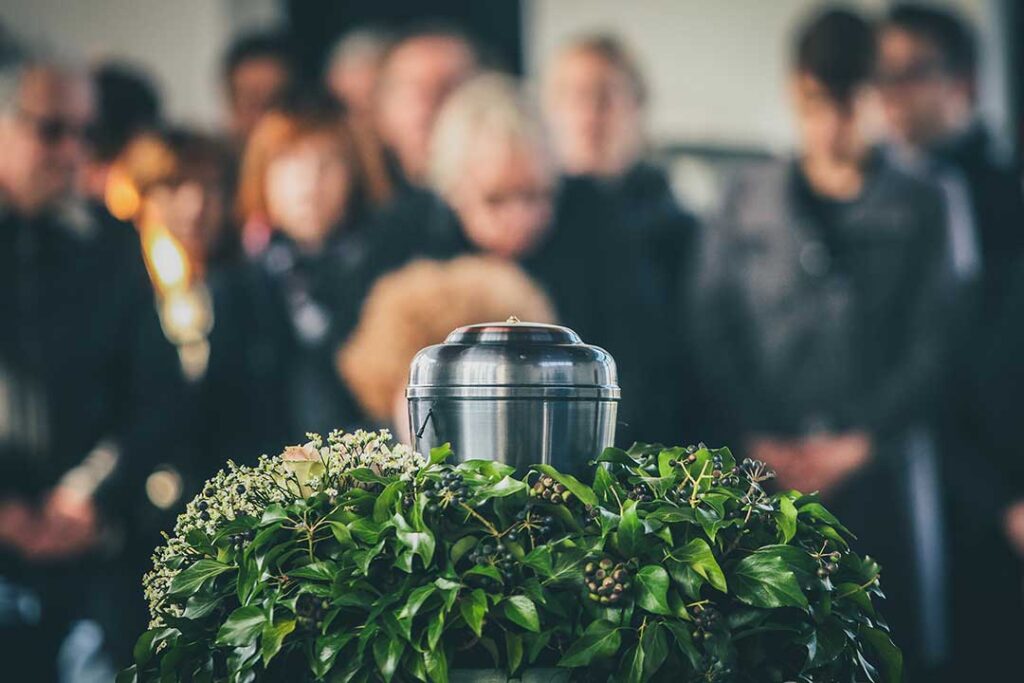
Cremated remains are what is left following cremation: primarily processed bone fragments that appear as a grayish, sand-like substance. They are typically placed in a temporary container and given to the family. Area households may choose to transfer the remains to a decorative urn or another memorial vessel of their choosing.
It's a common misconception that cremated remains resemble fireplace ash or are a health hazard; in reality, they are safe to handle and store. The amount returned usually weighs between three to seven pounds, depending on the individual’s size and bone structure.
How Do Hamilton Residents Choose Cremation?
Many in the community select cremation for its flexibility and simplicity. Cremation allows for a range of gatherings and memorial options, which can be held at local venues, outdoors, or in places that have personal meaning—this flexibility can be especially relevant in a region with varied seasons and preferences for indoor or outdoor remembrance.
Choices regarding memorialization or the final placement of cremated remains may include:
- Keeping the remains at home in an urn
- Placing them in a cemetery niche or columbarium
- Burial at a family plot or cemetery
- Scattering in a location, if permitted by law and landowners
It’s worthwhile to check local regulations about scattering or burial, as rules can vary across municipal and private properties.
What’s the Step-by-Step Experience for Families?
Families can expect the following practical steps:
- Arrangements are made with a funeral director, who guides through paperwork and explains all local requirements.
- The body is transported to the crematory and positively identified.
- State and local permits are secured.
- Cremation is carried out in a secure setting where only one person is present per cycle.
- Cremated remains are processed and placed in a container for return.
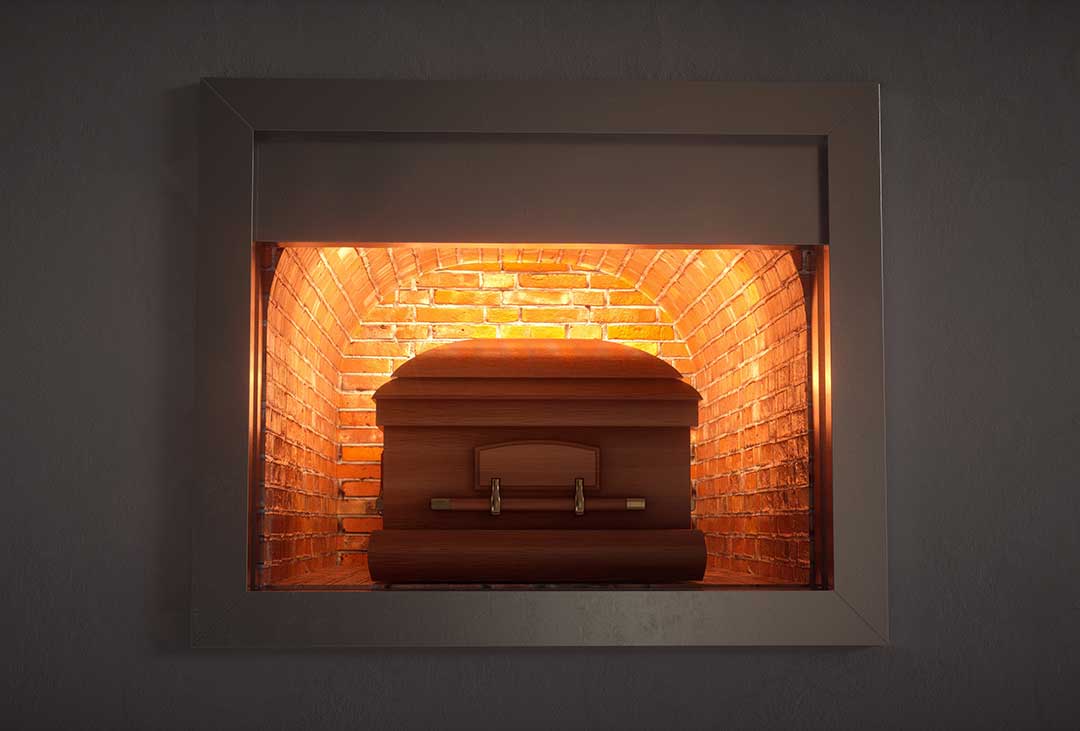
Hamilton residents will find that most cremations occur in dedicated facilities with regulated procedures to ensure transparency and respect. If a family wishes, they may ask about witnessing the start of the cremation process—though not all facilities are equipped for this, and it typically must be arranged in advance.
Are There Environmental or Religious Considerations?
Cremation, by nature, uses less land than traditional burial and does not require embalming with chemicals. Some in the area consider these factors when making end-of-life decisions, especially in a region that values environmental consciousness.
It's also natural for families to consider spiritual or religious guidelines. Different faiths within the community have varying guidance regarding cremation, so individuals often discuss preferences with local clergy, faith leaders, or family members.
What Are Common Misconceptions About Cremation?
A few misunderstandings persist:
- Cremation does not mean a loved one cannot have a funeral or a viewing; these ceremonies can take place with or without the body present.
- Cremated remains are handled with care and are returned only to the authorized family; strict identification processes are followed.
- The choice of cremation does not limit meaningful memorial options—many families in the area choose to celebrate life in unique and personal ways.
Understanding the cremation process can help reduce uncertainty and support families in making informed, confident choices.